Hemp, Our New Old Paper!
- Michael and Seamus Perritt-Reish
- Feb 27, 2023
- 4 min read
This year (2023) aLagniappe.org is going to start a funding project to help change our infrastructure for an ambitious goal help build more Hemp Gins to transform this miraculous plant into usable fiber. Fact! On an annual basis, 1 acre of hemp will produce as much fiber as 2 to 3 acres of cotton. Hemp fiber is stronger and softer than cotton, lasts twice as long as cotton, and will not mildew. If you would like to help us make our ambitious dream a reality, please contact us and let us know how you would like to help.
History Lesson
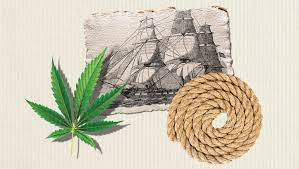
Hemp has been in cultivation for more than 10,000 years, most notably for clothing, paper, ropes and sails. The Columbia History of the World states that the oldest relic of human industry is a bit of hemp fabric dating back to approximately 8,000 BC. Up to 90% of the worlds' paper manufactured before 1883 was made from hemp, and some of the most historically important documents were written on hemp paper, including the Gutenberg and King James Bibles, as well as the first two drafts of the US Declaration of Independence.
Americans were legally bound to grow industrial hemp during the Colonial Era and Early Republic. In the mid- 1930’s, there was the invention of nylon and the spread of plastics, and a general trend away from all things natural. At the same time, use of marijuana as a recreational drug increased and industrial uses for hemp were mistakenly included in the 1938 United States ban on cultivation of any plant in the Cannabis family. This view spread globally with political pressure from the U.S.
Cotton, on the other hand, grows only in moderate climates and requires more water than hemp; but hemp is frost tolerant, requires only moderate amounts of water, and grows in all 50 states. Cotton requires large quantities of pesticides and herbicides--50% of the world's pesticides/herbicides are used in the production of cotton. Hemp requires no pesticides, no herbicides, and only moderate amounts of fertilizer.
On an annual basis, 1 acre of hemp will produce as much paper as 2 to 4 acres of trees. From tissue paper to cardboard, all types of paper products can be produced from hemp.
The quality of hemp paper is superior to tree-based paper. Hemp paper will last hundreds of years without degrading, can be recycled many more times than tree-based paper, and requires less toxic chemicals in the manufacturing process than does paper made from trees.
Hemp can be used to produce fiberboard that is stronger and lighter than wood. Substituting hemp fiberboard for timber would further reduce the need to cut down our forests.
Hemp can be used to produce strong, durable and environmentally-friendly plastic substitutes. Thousands of products made from petroleum-based plastics can be produced from hemp-based composites.
It takes years for trees to grow until they can be harvested for paper or wood, but hemp is ready for harvesting only 120 days after it is planted. Hemp can grow on most land suitable for farming, while forests and tree farms require large tracts of land available in few locations. Harvesting hemp rather than trees would also eliminate erosion due to logging, thereby reducing topsoil loss and water pollution caused by soil runoff.
Hemp seeds contain a protein that is more nutritious and more economical to produce than soybean protein. Hemp seeds are not intoxicating. Hemp seed protein can be used to produce virtually any product made from soybean: tofu, veggie burgers, butter, cheese, salad oils, ice cream, milk, etc. Hemp seed can also be ground into a nutritious flour that can be used to produce baked goods such as pasta, cookies, and breads.
Hemp seed oil can be used to produce non-toxic diesel fuel, paint, varnish, detergent, ink and lubricating oil. Because hemp seeds account for up to half the weight of a mature hemp plant, hemp seed is a viable source for these products.
Just as corn can be converted into clean-burning ethanol fuel, so can hemp. Because hemp produces more biomass than any plant species (including corn) that can be grown in a wide range of climates and locations, hemp has great potential to become a major source of ethanol fuel.
Literally millions of wild hemp plants currently grow throughout the U.S. Wild hemp, like hemp grown for industrial use, has no drug properties because of its low THC content. U.S. marijuana laws prevent farmers from growing the same hemp plant that proliferates in nature by the millions.
From 1776 to 1937, hemp was a major American crop and textiles made from hemp were common. Yet, The American Textile Museum, The Smithsonian Institute, and most American history books contain no mention of hemp. The government's War on Drugs has created an atmosphere of self censorship where speaking of hemp in a positive manner is considered politically incorrect or taboo.
United States Presidents George Washington and Thomas Jefferson grew hemp, used products made from hemp, and praised the hemp plant in some of their writings.
No other natural resource offers the potential of hemp. Cannabis Hemp is capable of producing significant quantities of paper, textiles, building materials, food, medicine, paint, detergent, varnish, oil, ink, and fuel. Unlike other crops, hemp can grow in most climates and on most farmland throughout the world with moderate water and fertilizer requirements, no pesticides, and no herbicides. Cannabis Hemp (also known as Indian Hemp) has enormous potential to become a major natural resource that can benefit both the economy and the environment.


Comments